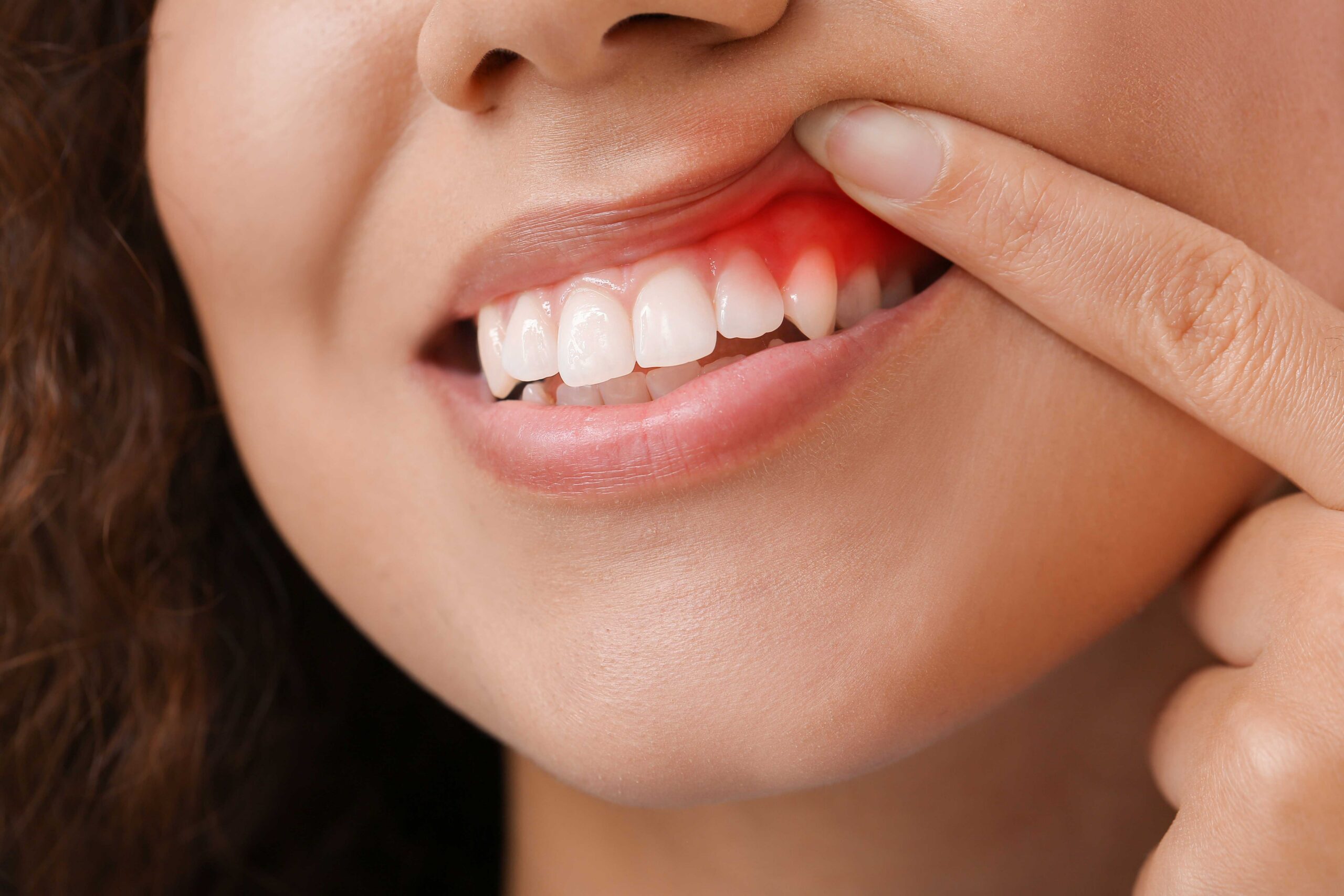
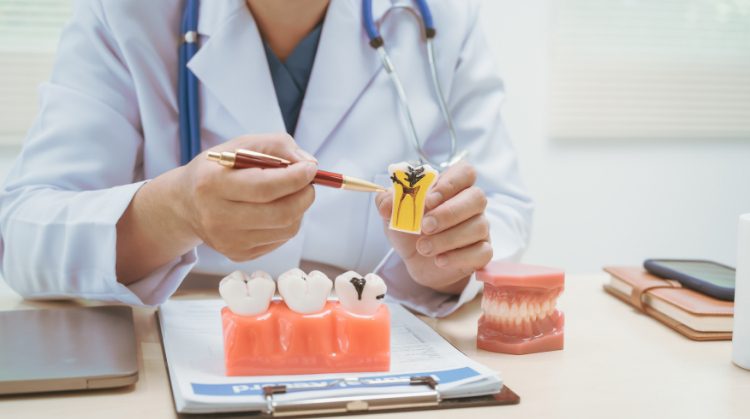
Dental pain can affect nearly every part of daily life. Persistent discomfort may make it difficult to eat, sleep, focus at work, or enjoy normal activities comfortably. While occasional tooth sensitivity or soreness may seem minor at first, ongoing pain often signals an underlying dental issue that should not be ignored.
Understanding the causes of dental pain and the available treatment options can help patients make informed decisions about their oral health. With modern dentistry and personalized care, many types of dental discomfort can be effectively managed while improving long-term comfort and function.
Understanding Dental Pain
Dental pain can range from mild sensitivity to severe discomfort that interferes with everyday activities. The type of pain often depends on the underlying condition affecting the teeth, gums, jaw, or surrounding tissues.
Some patients experience sharp pain while chewing, while others may notice constant aching, pressure, or sensitivity to temperature. Pain may develop suddenly or gradually worsen over time.
Because dental discomfort can have many causes, proper diagnosis is important for determining the most effective treatment approach.
Common Causes of Dental Pain
Several oral health conditions may contribute to dental pain. Some issues affect the teeth directly, while others involve the gums, jaw joints, or surrounding muscles.
Common causes of dental pain include:
- Tooth decay or cavities
- Cracked or damaged teeth
- Gum disease or infection
- Teeth grinding or jaw clenching
- TMJ disorder
- Tooth sensitivity
- Dental abscesses
- Bite imbalance
In some cases, untreated dental problems may worsen over time and lead to more extensive discomfort or complications.
The Connection Between TMJ and Dental Pain
Many patients are surprised to learn that jaw function can affect dental comfort. Temporomandibular joint disorder (TMJ/TMD) may contribute to facial soreness, tooth sensitivity, headaches, and jaw pain.
When the jaw joints and muscles are strained, patients may place excessive pressure on certain teeth or develop chronic muscle tension. Teeth grinding and jaw clenching can also wear down tooth enamel and increase sensitivity.
Because the teeth, jaw joints, and muscles work together as a system, evaluating overall jaw function may help identify contributing factors behind chronic dental discomfort.
Why Proper Diagnosis Matters
Dental pain should never be treated as a one-size-fits-all issue. The same symptom may have multiple possible causes, which is why professional evaluation is important.
A comprehensive dental assessment may include examining the teeth, gums, bite alignment, jaw movement, and surrounding tissues. Identifying the source of pain allows treatment to focus on correcting the underlying problem rather than temporarily masking symptoms.
Early diagnosis may also help prevent small issues from developing into more serious oral health concerns.
Modern Approaches to Dental Pain Management
Advances in modern dentistry have improved the way dental pain is diagnosed and managed. Treatment approaches now focus not only on relieving discomfort but also on improving long-term oral health and function.
Depending on the cause of the pain, treatment may involve restorative dentistry, bite adjustment, oral appliances, periodontal care, or preventive therapies.
Some patients may benefit from custom oral appliances that help reduce teeth grinding and jaw clenching. Others may require treatment for cavities, damaged teeth, gum inflammation, or bite imbalance.
Because every patient’s needs are different, personalized treatment planning is essential for achieving lasting comfort.
The Importance of Preventive Dental Care
Preventive care plays a major role in reducing the risk of future dental pain. Routine dental examinations help identify problems early before they become more severe or painful.
Healthy daily habits may also help support long-term oral comfort, including:
- Brushing and flossing consistently
- Attending regular dental checkups
- Avoiding excessive teeth grinding
- Managing stress-related jaw tension
- Addressing symptoms early
Patients who seek care early often have more conservative treatment options available.
How Chronic Dental Pain Affects Overall Health
Persistent dental discomfort may affect more than just oral health. Chronic pain can interfere with sleep quality, concentration, eating habits, and emotional well-being.
Some patients may avoid chewing on one side of the mouth, while others experience increased stress or muscle tension because of ongoing discomfort. Untreated oral health issues may also contribute to inflammation and additional complications over time.
Addressing dental pain early can help improve both oral health and overall quality of life.
When to Seek Professional Care
Patients should seek professional evaluation if dental pain continues for more than a few days or becomes severe. Symptoms like swelling, persistent sensitivity, jaw discomfort, bleeding gums, or pain while chewing may indicate underlying problems requiring treatment.
Ignoring symptoms may allow conditions to worsen and increase the risk of more complex dental issues.
Conclusion
Dental pain can affect daily comfort, oral function, and overall well-being. Understanding the causes of discomfort and seeking early treatment can help prevent long-term complications while improving quality of life.
Amy Norman, DDS provides personalized dental care focused on identifying the underlying causes of pain and improving long-term oral health. Through comprehensive evaluations and patient-centered treatment planning, Dr. Norman helps patients better understand their symptoms and treatment options.
Whether discomfort is related to tooth damage, bite imbalance, TMJ symptoms, or gum health, proper diagnosis and individualized care can play an important role in restoring everyday comfort and supporting healthier smiles.