Chronic jaw pain can affect far more than your comfort. Persistent discomfort in the jaw may interfere with eating, speaking, sleeping, and even concentrating throughout the day. For many people, ongoing jaw tension and facial pain are linked to temporomandibular joint disorder, commonly known as TMJ or TMD.
Amy Norman, DDS in Everett, WA, patients receive personalized care designed to address the root cause of TMJ-related discomfort. Through advanced diagnostics and customized treatment planning, Dr. Norman helps patients find long-term relief from chronic jaw pain using modern, non-invasive treatment solutions.
Understanding Chronic Jaw Pain and TMJ Disorder
The temporomandibular joints connect the lower jaw to the skull and play a major role in chewing, speaking, and jaw movement. When these joints become strained or misaligned, patients may experience TMJ disorder.
Chronic jaw pain is one of the most common symptoms associated with TMJ dysfunction. Patients may also experience headaches, facial soreness, ear discomfort, jaw clicking, or difficulty chewing comfortably.
Bite imbalance and muscle dysfunction are often contributing factors in TMJ-related pain. When the bite does not align correctly, excess pressure may be placed on the jaw joints and surrounding muscles.
Common Symptoms of TMJ Disorder
TMJ symptoms may gradually worsen over time and can vary from patient to patient. Some individuals experience mild discomfort, while others struggle with ongoing pain that affects their daily routine.
Common symptoms may include:
- Jaw soreness or stiffness
- Headaches or migraines
- Facial tension and muscle fatigue
- Jaw clicking or popping
- Ear pain or ringing
- Difficulty chewing
- Limited jaw movement
If these symptoms continue regularly, professional evaluation may help determine whether TMJ dysfunction is contributing to the problem.
Why Proper TMJ Care Is Essential
TMJ disorders can become more severe over time when the underlying issue is not properly treated. What may begin as occasional jaw discomfort can eventually lead to chronic pain, headaches, facial tension, and difficulty with normal jaw movement.
Effective TMJ care involves more than simply reducing symptoms. A thorough evaluation of the jaw joints, bite alignment, and surrounding muscles helps identify the factors contributing to ongoing discomfort. Since every patient experiences TMJ symptoms differently, treatment should be tailored to the individual rather than using a one-size-fits-all approach.
Dr. Amy Norman takes a personalized approach to TMJ care by carefully assessing each patient’s jaw function and overall bite relationship before recommending treatment. This allows patients to receive targeted care designed to improve jaw stability, reduce tension, and support long-term comfort.
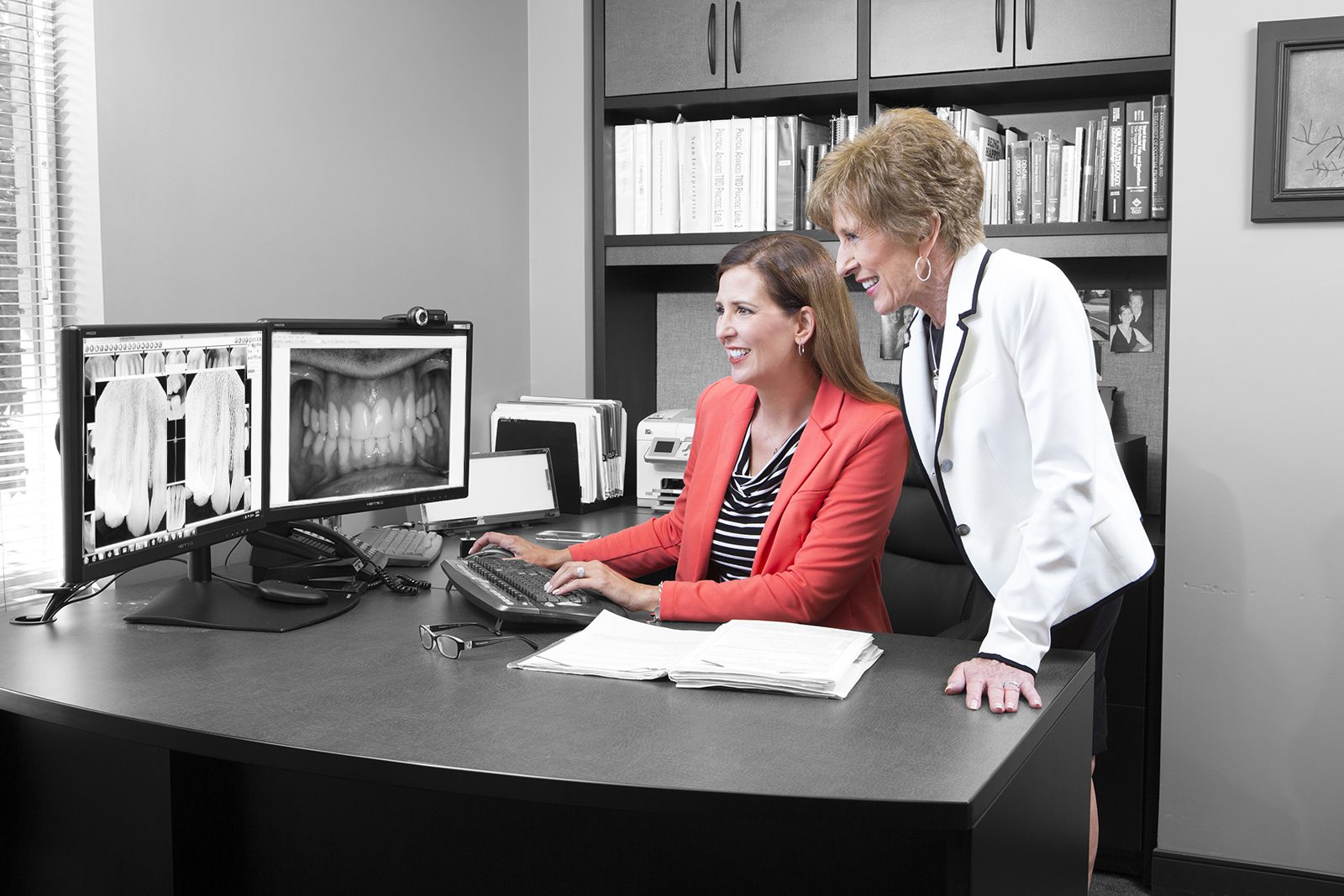
Advanced Diagnostic Technology for TMJ Care
Accurate diagnosis is one of the most important parts of successful TMJ treatment. Since jaw pain may be connected to multiple factors, comprehensive evaluation is essential.
Dr. Norman uses specialized technology to evaluate:
- Jaw movement and positioning
- Bite alignment
- Muscle activity and tension
- Joint function and stability
These detailed assessments help identify whether the patient’s discomfort is caused by bite imbalance, muscle strain, jaw positioning, or other contributing issues.
By understanding the relationship between the bite and jaw function, treatment can focus on correcting the root causes of chronic discomfort.
Personalized Treatment for Chronic Jaw Pain Relief
Every patient experiences TMJ symptoms differently, which is why individualized treatment is important. Dr. Norman creates customized treatment plans designed to improve jaw comfort and reduce stress on the temporomandibular joints.
Treatment may include custom oral appliances that help improve bite balance and reduce pressure on the jaw joints. These appliances may also minimize nighttime teeth grinding and jaw clenching, which often contribute to chronic pain.
Additional treatment approaches may focus on jaw stabilization, muscle relaxation, and improving overall jaw alignment. Lifestyle recommendations may also help reduce unnecessary strain on the jaw during daily activities.
How Bite Problems Can Contribute to TMJ Symptoms
The way your teeth come together can have a significant impact on overall jaw function. When the bite is uneven or misaligned, the jaw muscles and joints may work harder to compensate during normal activities like chewing and speaking. Over time, this added strain can contribute to jaw pain, muscle fatigue, and TMJ-related discomfort.
TMJ disorders are often connected to an imbalance between the teeth, muscles, and jaw joints. Because these structures work together as a system, even small bite irregularities may affect jaw movement and create unnecessary tension.
By improving bite stability and jaw function, TMJ treatment may help reduce pressure on the joints, ease muscle tension, and support more comfortable everyday movement.
When to Seek TMJ Treatment
Persistent jaw pain should never be ignored. Early treatment may help prevent worsening symptoms and improve long-term jaw health.
You should consider scheduling a TMJ evaluation if you experience ongoing jaw soreness, headaches, facial tension, jaw clicking, or discomfort while chewing. Patients who grind or clench their teeth during sleep may also benefit from professional assessment.
Seeking care early may improve treatment outcomes and help prevent long-term strain on the jaw joints.
Conclusion
Living with chronic jaw pain can affect your comfort, sleep, and daily routine. Fortunately, advanced TMJ treatment can help address the root causes of discomfort while improving jaw function and stability.
Amy Norman, DDS in Everett, WA, provides personalized TMJ care using modern diagnostic technology and customized treatment solutions. By focusing on bite alignment, muscle balance, and jaw health, Dr. Norman helps patients achieve long-term relief from chronic jaw pain.
If you are experiencing persistent jaw discomfort, headaches, or facial tension, scheduling a professional TMJ evaluation may be the first step toward lasting relief. Contact Amy Norman, DDS today to learn more about advanced TMJ treatment in Everett, WA.
Frequently Asked Questions
What causes chronic jaw pain?
Chronic jaw pain is often connected to TMJ disorder, bite imbalance, muscle tension, teeth grinding, or jaw misalignment.
Can TMJ disorder cause headaches?
Yes. TMJ dysfunction may create muscle strain and jaw tension that contribute to headaches and migraines.
What is advanced TMJ treatment?
Advanced TMJ treatment uses modern diagnostics and personalized therapies to identify and treat the underlying causes of jaw dysfunction and pain.
Are oral appliances effective for TMJ pain?
Custom oral appliances may help reduce pressure on the jaw joints, improve bite balance, and minimize teeth grinding or clenching.
How do I know if I need TMJ treatment?
You may benefit from treatment if you experience persistent jaw pain, headaches, jaw clicking, facial tension, or difficulty chewing comfortably.
Where can I find TMJ treatment in Everett WA?
Amy Norman, DDS offers advanced TMJ treatment and chronic jaw pain relief for patients in Everett, WA and nearby communities.