Chronic jaw pain can make simple daily activities feel exhausting. Eating, speaking, yawning, and even sleeping may become uncomfortable when temporomandibular joint disorder (TMJ/TMD) affects the jaw joints and surrounding muscles. Many people assume surgery is the only solution, but modern dentistry offers effective alternatives that focus on long-term relief without invasive procedures.
At Amy Norman, DDS in Everett, WA, patients receive personalized care designed to identify the root cause of jaw discomfort. Through advanced diagnostics and customized therapy, Dr. Norman helps patients improve jaw function and reduce pain through non-surgical TMJ treatment.
Understanding TMJ Disorder
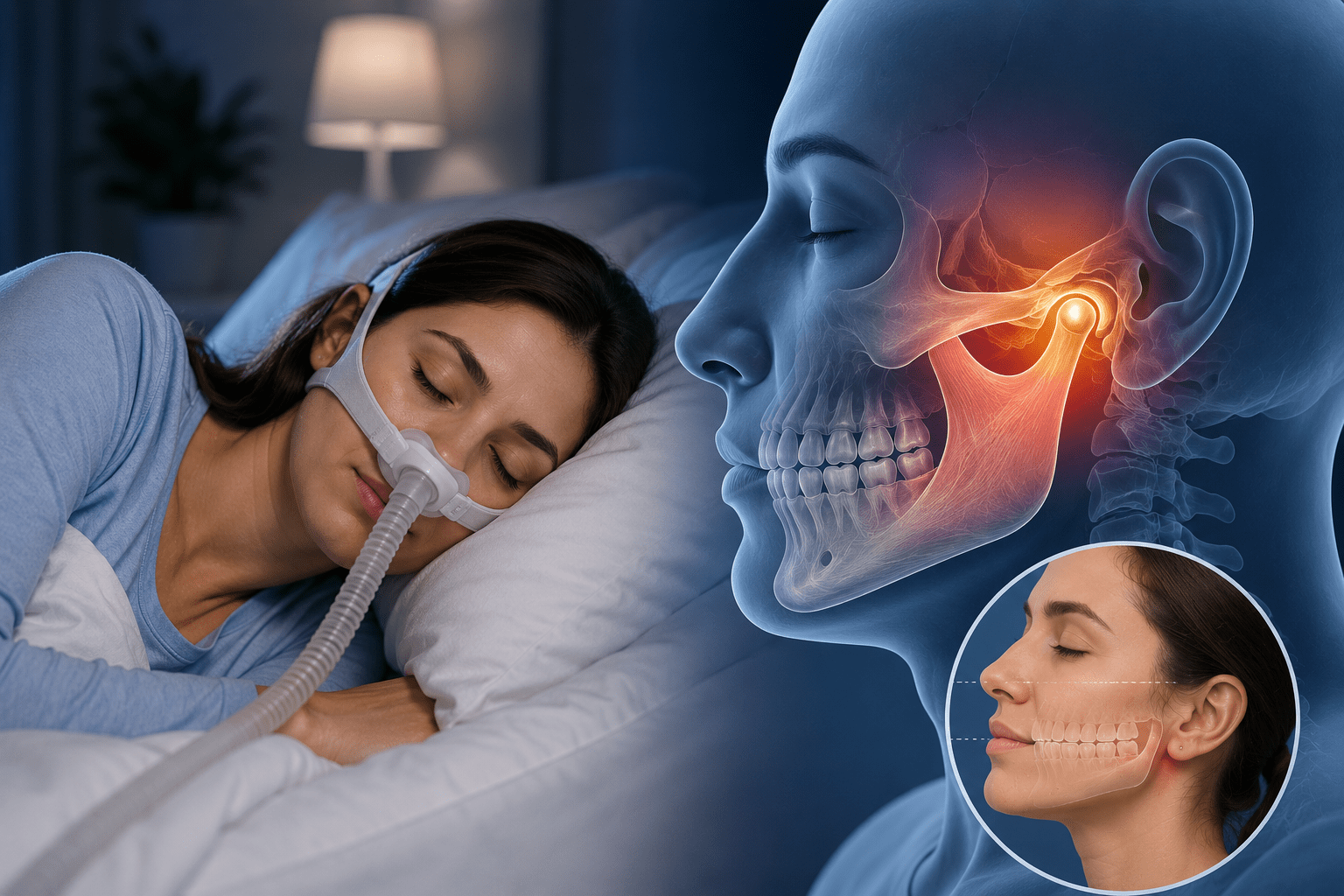
The temporomandibular joints connect the lower jaw to the skull and control jaw movement. When these joints become strained, misaligned, or overworked, patients may develop TMJ disorder.
Symptoms can range from mild discomfort to severe chronic pain. Common signs include jaw soreness, headaches, facial tension, and difficulty chewing. Some patients also experience ear pain, neck tension, or jaw locking.
Bite imbalance and muscle dysfunction are often major contributors to TMJ-related pain. When the bite does not align properly, excessive pressure may be placed on the jaw joints and muscles.
Why Non-Surgical TMJ Treatment Is Effective
Many patients prefer non-surgical TMJ treatment because it focuses on correcting the underlying causes of jaw pain rather than temporarily masking symptoms. Conservative treatment methods can often provide significant relief while avoiding the risks and recovery associated with surgery.
Non-invasive treatment may help improve:
- Jaw movement and comfort
- Bite alignment and muscle balance
- Headaches and facial tension
- Teeth grinding and clenching symptoms
At Amy Norman, DDS, treatment plans are customized based on each patient’s jaw function, muscle activity, and bite relationship.
Advanced TMJ Evaluation and Diagnosis
A successful TMJ treatment plan begins with a thorough evaluation. Since TMJ symptoms can have multiple causes, identifying the exact source of discomfort is essential.
Dr. Amy Norman uses advanced diagnostic technology to evaluate jaw movement, bite alignment, and muscle activity. These detailed assessments help determine how the jaw joints and surrounding muscles are functioning together.
This technology-driven approach allows patients to better understand:
- How bite imbalance affects jaw function
- Why chronic jaw pain develops
- Which treatment options may provide relief
Comprehensive evaluations also help ensure patients receive care that is tailored to their unique condition rather than a generalized solution.
Common Causes of Chronic Jaw Pain
TMJ disorders may develop gradually over time or appear after stress, injury, or prolonged teeth grinding. Several factors can contribute to jaw dysfunction and discomfort.
Common causes include:
- Teeth grinding or jaw clenching
- Bite misalignment
- Muscle tension and stress
- Injury to the jaw area
- Poor posture affecting jaw muscles
When left untreated, these issues may continue placing strain on the temporomandibular joints, leading to worsening pain and limited jaw movement.
Non-Surgical TMJ Treatment Options
There are several conservative therapies that may help patients find relief from TMJ discomfort. Dr. Norman develops individualized treatment recommendations based on the patient’s symptoms and jaw function.
Treatment options may include:
- Customized oral appliances or splints
- Bite adjustment and alignment therapy
- Muscle relaxation techniques
- Jaw stabilization therapy
- Lifestyle and stress management guidance
Custom oral appliances are commonly used to reduce pressure on the jaw joints while helping improve bite balance. These appliances may also help minimize nighttime teeth grinding and jaw clenching.
The Connection Between Bite Alignment and TMJ Pain
Many patients do not realize that an imbalanced bite can significantly affect jaw health. When the teeth do not align properly, the jaw may shift into an unnatural position to compensate. Over time, this added strain can affect the jaw joints, muscles, and surrounding tissues.
Amy Norman, DDS emphasizes the importance of evaluating how the bite, muscles, and jaw joints work together when diagnosing TMJ disorders. By improving bite alignment, non-surgical TMJ treatment may help relieve chronic tension and restore more natural jaw movement.
Signs You Should Schedule a TMJ Evaluation
Persistent jaw discomfort should never be ignored. Early diagnosis and treatment may help prevent worsening symptoms and long-term complications.
You may benefit from TMJ treatment if you experience:
- Frequent jaw pain or stiffness
- Jaw clicking or popping sounds
- Headaches or migraines
- Difficulty chewing comfortably
- Facial pain or tension
- Teeth grinding during sleep
- Ear pain without infection
Patients experiencing these symptoms should consider scheduling a professional evaluation to determine whether TMJ dysfunction is contributing to their discomfort.
Why Patients Choose Amy Norman, DDS in Everett WA
Patients seeking non-surgical TMJ treatment in Everett, WA trust Dr. Amy Norman because of her personalized and technology-focused approach to care.
Amy Norman, DDS combines advanced diagnostics with customized treatment planning to help patients achieve long-term relief. Dr. Norman works closely with each patient to identify the source of pain and create a treatment strategy designed around their needs and goals.
Her patient-centered philosophy focuses on comfort, education, and conservative care whenever possible. Many patients appreciate having treatment options that do not involve invasive surgery.
Conclusion
Living with chronic jaw pain can affect your sleep, eating habits, concentration, and overall quality of life. Fortunately, surgery is not always necessary to find relief. With advanced diagnostics and personalized care, non-surgical TMJ treatment can help restore jaw comfort, improve function, and reduce daily discomfort.
Amy Norman, DDS provides customized TMJ treatment solutions designed to address the root causes of jaw pain. Whether you are experiencing headaches, jaw tension, or bite-related discomfort, professional evaluation and early treatment may help you regain long-term comfort and confidence.
Frequently Asked Questions
What is non-surgical TMJ treatment?
Non-surgical TMJ treatment refers to conservative therapies used to relieve jaw pain and improve jaw function without surgery. Treatment may include oral appliances, bite alignment therapy, muscle relaxation techniques, and customized care plans.
How do I know if I have TMJ disorder?
Common TMJ symptoms include jaw pain, headaches, facial tension, jaw clicking, ear discomfort, and difficulty chewing. A professional evaluation can help determine whether TMJ dysfunction is causing your symptoms.
Can TMJ treatment help with headaches?
Yes. TMJ disorders often create muscle tension and jaw strain that contribute to headaches and migraines. Treating the underlying jaw imbalance may help reduce headache frequency and severity.
Are oral appliances effective for TMJ pain?
Custom oral appliances may help reduce pressure on the jaw joints, improve bite balance, and minimize teeth grinding or clenching. Many patients experience significant relief with professionally designed appliances.
When should I seek TMJ treatment?
You should schedule an evaluation if jaw pain, headaches, or jaw dysfunction continue for an extended period or interfere with daily activities. Early treatment may help prevent worsening symptoms.
Where can I find non-surgical TMJ treatment in Everett WA?
Amy Norman, DDS offers advanced non-surgical TMJ treatment in Everett, WA using personalized care and modern diagnostic technology.