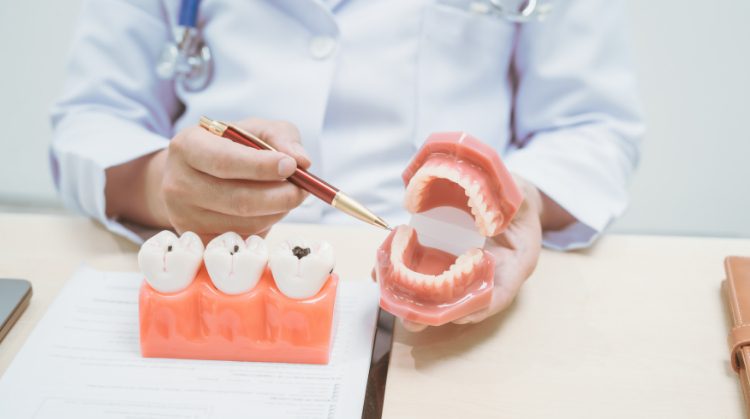
Gum disease, also known as periodontal disease, is a common dental condition that affects millions of adults. Left untreated, it can lead to swollen, bleeding gums, tooth loss, and even affect your overall health. The good news is that gum disease prevention is possible with consistent oral care and regular dental visits. At Amy Norman, DDS in Everett, WA, we help patients protect their gums, preserve their teeth, and maintain healthy smiles for a lifetime.
What Is Gum Disease?
Gum disease begins when plaque—the sticky film of bacteria that forms on your teeth—builds up along the gumline. Over time, plaque hardens into tartar, which can irritate the gums and cause inflammation. The early stage of gum disease is called gingivitis, which may cause redness, swelling, and bleeding when brushing or flossing. If left untreated, it can progress to periodontitis, a more severe form of gum disease that damages the tissues and bone supporting your teeth.
The Importance of Early Prevention
Preventing gum disease is always better than treating it. Early intervention can stop gum disease in its tracks, protect your teeth, and avoid complex procedures like deep cleanings or gum surgery. By understanding the key steps to prevent gum disease, you can maintain healthy gums, a fresh smile, and long-term oral health.
Top Strategies for Gum Disease Prevention
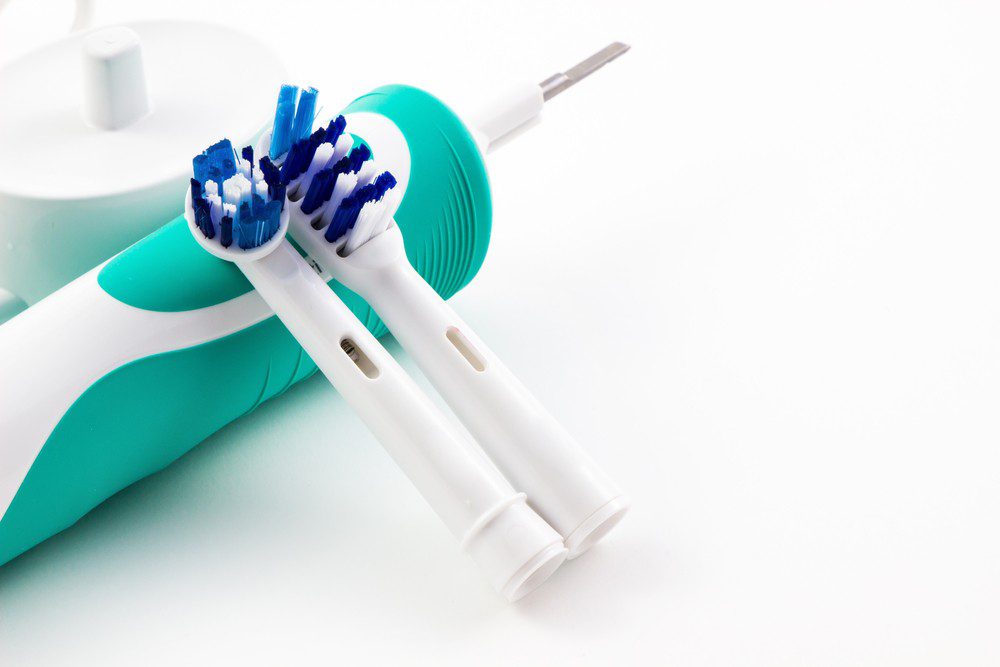
Maintain Proper Oral Hygiene. Brushing twice a day with fluoride toothpaste and flossing daily removes plaque before it hardens into tartar. Make sure to clean along the gumline and between teeth, where bacteria are most likely to accumulate.
Regular Dental Checkups and Cleanings. Professional cleanings by your dentist or dental hygienist remove tartar that cannot be eliminated with at-home brushing alone. Regular exams also allow your dentist to detect early signs of gum disease and provide timely treatment.
Healthy Lifestyle Choices. A balanced diet low in sugar, adequate hydration, and avoiding tobacco products all contribute to gum health. Smoking and poor nutrition increase the risk of gum disease and slow down healing.
Monitor and Manage Health Conditions. Certain conditions, such as diabetes, can increase your risk of gum disease. Managing your overall health, alongside preventive dental care, helps reduce these risks.
Use Mouthwash When Recommended. Antimicrobial or therapeutic mouthwashes can reduce bacteria in the mouth and help prevent gum inflammation. Your dentist can recommend the best option for your oral health needs.
The Role of Amy Norman, DDS in Gum Disease Prevention
At Amy Norman, DDS, we focus on preventive care as the foundation of a healthy smile. Our team provides professional cleanings, periodontal screenings, and personalized advice to help you prevent gum disease before it starts. We educate patients on proper brushing and flossing techniques and tailor prevention strategies to each individual’s needs, ensuring optimal gum and oral health.
Conclusion
Gum disease is preventable, but it requires commitment to oral hygiene, regular dental visits, and healthy lifestyle choices. By taking proactive steps, you can protect your gums, preserve your teeth, and enjoy a confident, healthy smile for years to come.
If you want to learn more about gum disease prevention or schedule a professional dental cleaning, contact Amy Norman, DDS in Everett, WA, today. Our team is here to help you maintain strong, healthy gums and a beautiful smile.
Frequently Asked Questions (FAQ) About Gum Disease Prevention
Q: What are the early signs of gum disease?
A: Early signs include red, swollen, or bleeding gums, bad breath, and tenderness along the gumline. Gingivitis is often reversible with proper care if caught early.
Q: How often should I have a dental cleaning to prevent gum disease?
A: Most patients benefit from professional dental cleanings every six months, but your dentist may recommend more frequent visits depending on your oral health needs.
Q: Can gum disease affect my overall health?
A: Yes. Research shows that untreated gum disease is linked to heart disease, diabetes, respiratory issues, and complications during pregnancy. Maintaining healthy gums is important for both oral and overall health.
Q: Are there lifestyle habits that increase my risk for gum disease?
A: Smoking, poor nutrition, high sugar intake, and unmanaged chronic conditions like diabetes can all increase your risk for gum disease.
Q: Can I prevent gum disease at home?
A: While good at-home oral hygiene is essential, professional dental care is crucial. Brushing, flossing, and using mouthwash help prevent plaque buildup, but dental exams and cleanings remove tartar that cannot be eliminated at home.
Q: Is gum disease reversible?
A: Early-stage gum disease (gingivitis) is often reversible with proper care. Advanced gum disease (periodontitis) cannot be completely reversed but can be managed with treatment to prevent further damage.