If you wake up with jaw pain, headaches, or difficulty chewing, you may be experiencing issues with your temporomandibular joint (TMJ). When combined with disrupted sleep or chronic snoring, these symptoms could indicate a connection between TMJ and sleep apnea. Understanding this relationship is essential for maintaining oral health, relieving pain, and improving sleep quality.
At Amy Norman DDS in Everett, WA, we help patients recognize the signs of TMJ disorders, evaluate sleep apnea risk, and provide personalized treatment options to address both conditions effectively.
What Is TMJ?
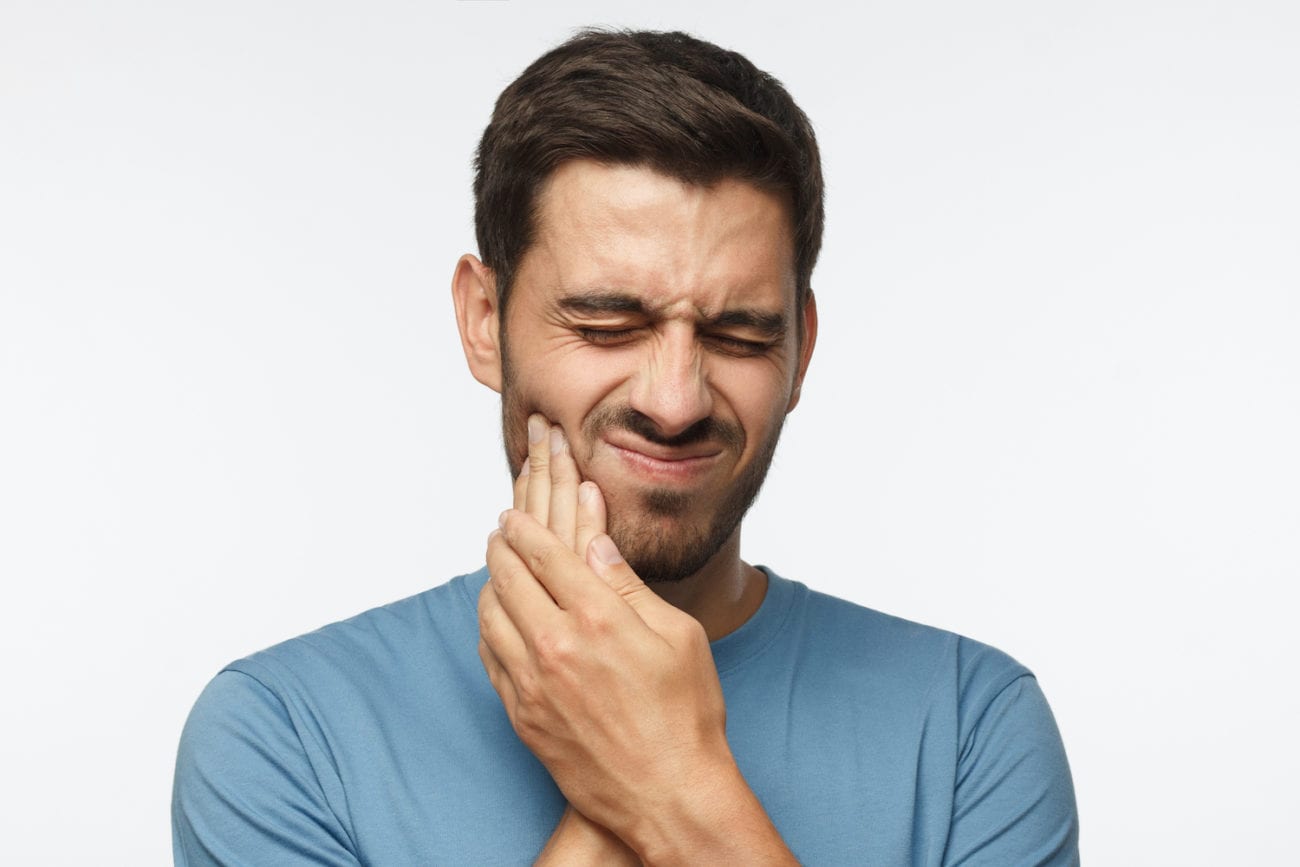
The temporomandibular joint (TMJ) connects your jawbone to your skull and enables movement when talking, chewing, and yawning. TMJ disorders occur when this joint becomes inflamed, misaligned, or stressed, which can lead to discomfort and limited jaw movement. Common symptoms include jaw pain or tenderness, clicking, popping, or grinding sounds, headaches or migraines, difficulty opening or closing the mouth, and facial pain or earaches. These disorders can result from teeth grinding (bruxism), jaw misalignment, stress, injury, or chronic bite problems, and they may affect both oral function and overall quality of life.
What Is Sleep Apnea?
Sleep apnea is a sleep disorder characterized by repeated interruptions in breathing during sleep. These pauses can reduce oxygen levels, disrupt restorative sleep, and contribute to fatigue, irritability, and long-term health risks such as heart disease, high blood pressure, and stroke.
There are two main types of sleep apnea:
- Obstructive Sleep Apnea (OSA): Caused by a physical blockage of the airway, often due to relaxed throat muscles or structural issues in the jaw.
- Central Sleep Apnea (CSA): Caused by a failure of the brain to signal breathing muscles.
Untreated sleep apnea not only affects sleep quality but can also worsen jaw strain and TMJ discomfort.
How TMJ and Sleep Apnea Are Connected
The connection between TMJ disorders and sleep apnea is complex but significant. Structural misalignments in the jaw, teeth grinding, or clenching can both contribute to TMJ pain and worsen airway obstruction during sleep. Conversely, untreated sleep apnea can increase the likelihood of clenching or grinding at night, putting additional strain on the TMJ.
Patients with both conditions may experience:
- Worsening jaw pain and stiffness at night
- Increased teeth grinding or clenching during sleep
- Chronic headaches or migraines
- Difficulty sleeping due to discomfort and disrupted breathing
- Morning jaw soreness or facial tension
Recognizing these overlapping symptoms allows for a comprehensive approach to treatment that addresses both TMJ and sleep apnea simultaneously.
Treatment Options
At Amy Norman DDS, we offer treatment plans designed to improve both jaw function and sleep quality. Options may include:
- Custom Oral Appliances: These devices can reposition the jaw to improve airway function while alleviating TMJ strain.
- Behavioral and Lifestyle Adjustments: Stress management, jaw exercises, Botox, and sleep posture modifications can reduce bruxism and promote better sleep.
- Dental Restorations: Correcting bite misalignment or worn teeth can relieve TMJ stress and improve breathing.
- CPAP Therapy or Referral: For severe sleep apnea, CPAP machines or collaboration with a sleep specialist may be recommended.
The right combination of treatments depends on each patient’s symptoms, jaw structure, and severity of sleep apnea.
Why Early Intervention Matters
Ignoring the connection between TMJ and sleep apnea can have serious consequences, including chronic jaw pain, disrupted sleep, and long-term health risks. Early diagnosis is crucial because it allows for targeted interventions that reduce jaw pain and stiffness, improve sleep quality and daytime alertness, protect teeth from damage caused by grinding, and prevent complications associated with untreated sleep apnea. By addressing both conditions together, patients often experience faster relief, more effective long-term results, and an overall improvement in oral and systemic health.
Why Choose Amy Norman DDS
At Amy Norman DDS, we understand the challenges of living with TMJ pain and disrupted sleep. Our team in Everett, WA, provides personalized care to diagnose and manage TMJ disorders and sleep apnea effectively.
We combine advanced dental technology, thorough evaluations, and patient education to create treatment plans that restore comfort, improve sleep, and protect oral health. Every patient receives individualized guidance tailored to their jaw structure, symptoms, and lifestyle needs.
Conclusion
TMJ and sleep apnea are closely linked conditions that can significantly impact your health and quality of life. Jaw pain, headaches, teeth grinding, and disrupted sleep are key symptoms that should not be ignored. Early diagnosis and treatment can relieve discomfort, improve sleep, and protect both your teeth and overall health.
If you are experiencing jaw pain, snoring, or daytime fatigue, contact Amy Norman DDS in Everett, WA, today to schedule an evaluation. Our team will help determine the connection between TMJ and sleep apnea and guide you toward effective treatment solutions.
Frequently Asked Questions
Can sleep apnea cause TMJ pain?
Yes. Chronic clenching or grinding due to sleep apnea can put stress on the jaw, contributing to TMJ discomfort.
Can TMJ appliances help with sleep apnea?
Custom oral appliances can reposition the jaw to reduce airway obstruction while also relieving TMJ strain.
Is teeth grinding always related to TMJ or sleep apnea?
Not always, but bruxism is commonly associated with both conditions, and treatment can address multiple issues simultaneously.
When should I see a dentist for TMJ and sleep apnea symptoms?
If you experience jaw pain, chronic headaches, snoring, or daytime fatigue, a dental evaluation is recommended to identify potential causes and treatment options.
Are there lifestyle changes that help TMJ and sleep apnea?
Yes. Stress reduction, proper sleep posture, avoiding excessive caffeine or alcohol, and regular jaw exercises can all help improve symptoms.